
“Our task is to help children communicate with the world using all their potential, strengths and languages, and to overcome any obstacle presented by our culture.”
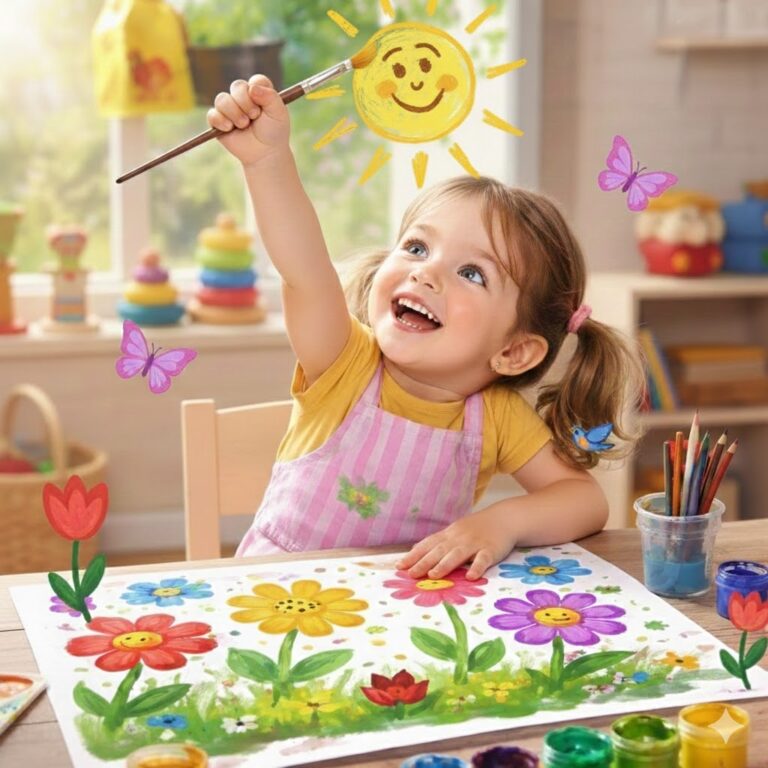
The Reggio Emilia approach is a child-centred philosophy that sees children as capable, curious, and full of potential. It was developed by psychologist and educator Loris Malaguzzi, with a focus on nurturing children’s natural curiosity and creativity. Learning emerges from children’s questions and interests rather than following a fixed curriculum.

Every child is viewed as competent and able to actively construct their own understanding of the world.
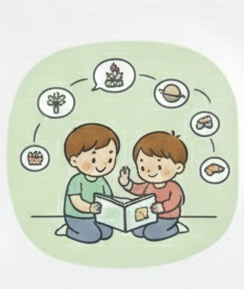
Projects and activities are guided by children’s questions and interests, allowing learning to develop naturally.
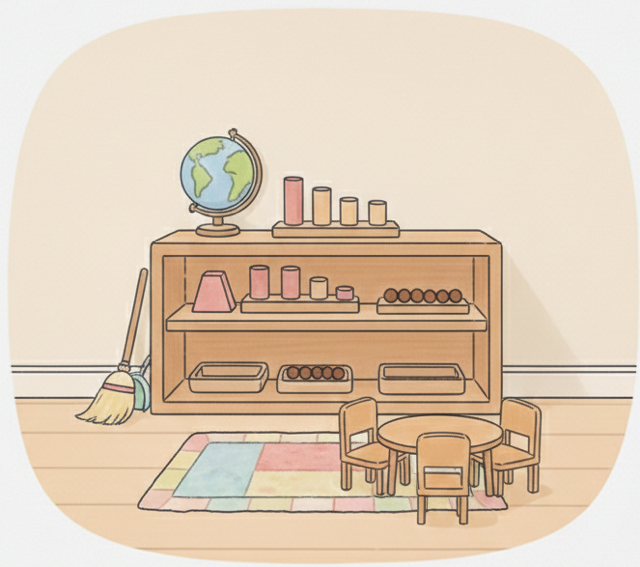
Classrooms are thoughtfully designed to inspire exploration, creativity, and discovery.
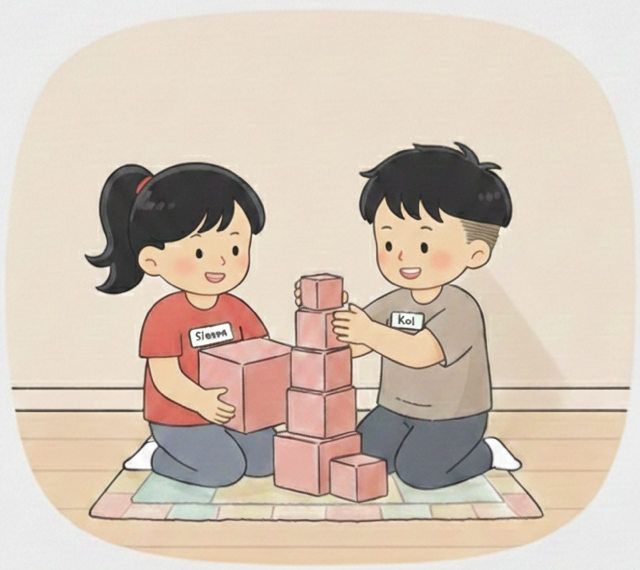
Children work together, share ideas, and express themselves in a variety of ways, including art, storytelling, building, and imaginative play.
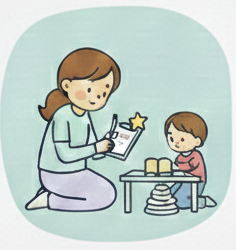
Teachers observe and record children’s work to better understand their thinking, reflect on learning, and plan meaningful next steps.

Educators act as partners and guides, supporting children’s ideas and exploration without taking control.
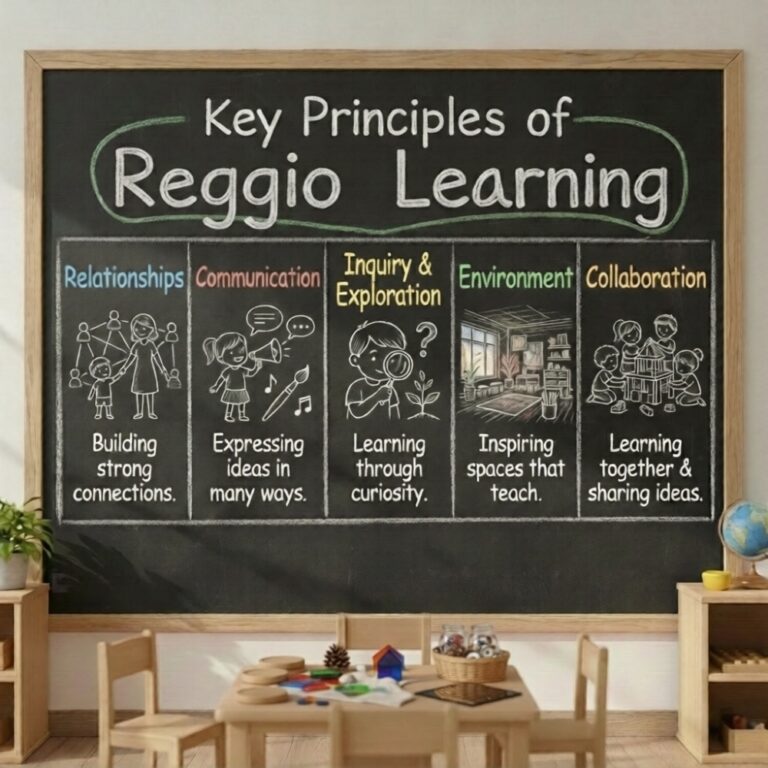
The Reggio Emilia philosophy nurtures creativity, critical thinking, curiosity, and social-emotional growth, helping children develop confidence, independence, and a lifelong love of learning.
Copyright © 2026 Little Kids Club. All Rights Reserved