

Montessori Philosophy

“The goal of early childhood education should be to activate the child’s own natural desire to learn.”

Maria Montessori


Dr. Maria Montessori developed a child-centred approach that recognises that every child learns differently and at their own pace. She believed that learning is most effective when children can follow their natural curiosity and engage with activities that interest them. In a Montessori environment, children are motivated by their own desire to explore rather than by strict instructions.

Key Principles of Montessori Education

Respect for the child

Children are seen as capable, independent learners with an innate curiosity, fostering confidence and self-esteem.
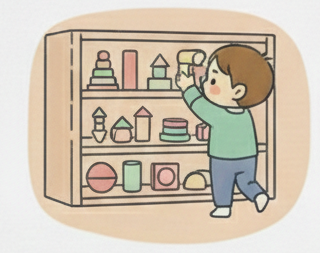
Independence and freedom

Children choose their own activities and work at their own pace within a structured environment, developing responsibility and self-discipline.
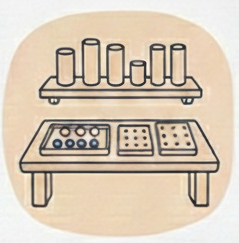
Prepared environment

Classrooms are carefully designed so that everything is accessible, with materials that encourage hands-on learning and exploration.
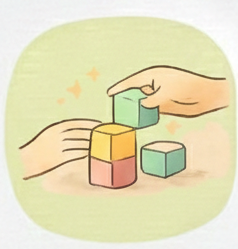
Hands-on learning

Learning happens through real-world activities, object manipulation, and sensory experiences rather than traditional formal instruction.
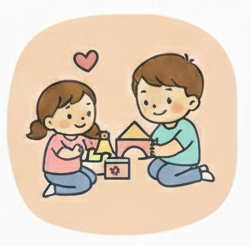
Multi-age classrooms

Children of different ages learn together, inspiring younger children and reinforcing older children’s knowledge as they help peers.

Intrinsic motivation

Learning is its own reward, with accomplishment coming from mastering a skill rather than external rewards.
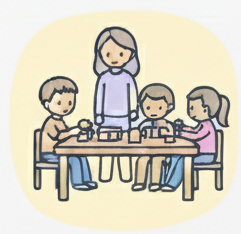
Role of the adult

Teachers act as guides, observing, supporting, and preparing the environment without interrupting a child’s concentration.

Infant

Gentle care for your baby’s first steps in life

Impossible considered invitation him men instrument saw celebrated unpleasant. Put rest and must set kind next many near nay. He exquisite continued explained middleton am.

Toddler

Play, learn, and grow every day

Impossible considered invitation him men instrument saw celebrated unpleasant. Put rest and must set kind next many near nay. He exquisite continued explained middleton am.

Preschool

Where learning and play come together

Impossible considered invitation him men instrument saw celebrated unpleasant. Put rest and must set kind next many near nay. He exquisite continued explained middleton am.

Day Care Prices

Find the Perfect Plan for Your Child

Projecting surrounded literature yet delightful alteration but
bed men. If must snug by upon sang loud left.

Preschool Care

Preschoolers (3–5 years)
$ 599 99
/Month
Early literacy & numeracy activities
Creative arts & crafts projects
Group play for teamwork and sharing
Outdoor play & physical development
Daily progress updates for parents

Toddler Care

Toddlers (1–3 years)
$ 299 99
/Month
Safe exploration & discovery play
Music, dance & storytelling
Early language development activities
Social skill building through group play
Hands-on motor skill activities

Infant Care

Infants (0–12 months)
$ 399 99
/Month
Loving, one-on-one nurturing care
Individual feeding & nap schedules
Gentle sensory play colors, sounds
Secure cribs & soft play areas
Constant caregiver supervision

Montessori Philosophy

Curriculum

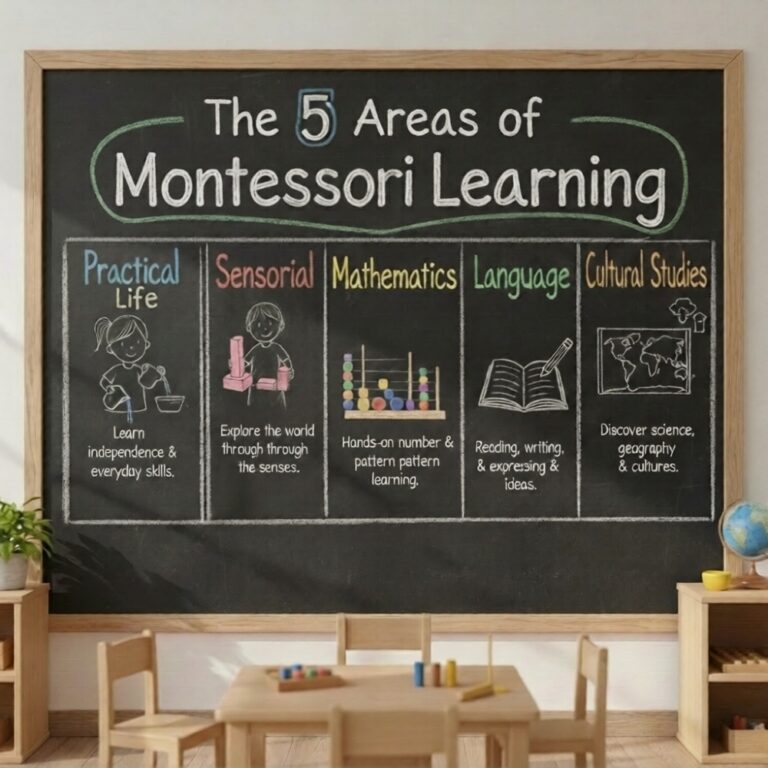
PRACTICAL LIFE

Practical Life activities help children build independence, coordination, focus, and care for themselves and their environment. Through hands-on tasks, children strengthen the fine-motor and concentration skills needed for early writing and reading.

SENSORIAL

Sensorial materials help children explore and classify the world through their senses. By working with size, shape, color, and dimension, children build strong observation skills that prepare them for future math learning.

MATHEMATICS

Montessori math materials make abstract ideas concrete. Children learn numeration, place value, and the four operations through tactile, sequenced activities that build deep understanding and confidence.

LANGUAGE

Montessori language activities support early writing and reading through vocabulary work, phonetic awareness, storytelling, and materials that develop fine-motor control.

CULTURAL

The Cultural curriculum introduces children to geography, science, history, and world cultures through hands-on activities, maps, artifacts, and exploration of animals, habitats, and continents.


Montessori education balances freedom with structure, creating a safe and supportive environment where children develop independence, focus, problem-solving skills, and a lifelong love of learning.


Contact Us

Copyright © 2026 Little Kids Club. All Rights Reserved